



Questions Worth Asking for a More Focused Life
Building habits that stick is one of the most powerful ways to change your life. But most of us approach habit formation completely wrong, which is why our habits don't stick beyond the first few weeks. Learning how to build habits that stick doesn't require superhuman willpower. It requires understanding how habits actually work and using that knowledge to create simple habits that stick naturally. If you've struggled to make habits stick in the past, it's not because you're lazy or undisciplined. It's because you haven't been taught how to build habits properly.
Why Most Habits Don't Stick
We've all been there. January rolls around and we're full of motivation to completely transform our lives. We're going to wake up at 5am, exercise every day, meal prep every Sunday, keep the house spotless, read more books, drink more water, and somehow do it all perfectly. By February, we've abandoned most of it. It's not because we lack discipline. It's because we're trying to change too much at once, and we're setting ourselves up for habits that don't actually fit into our real lives. Most habits don't stick because we start too big. We try to build the final version of the habit instead of starting small and building from there. Habits don't stick when they require too much willpower. If you have to force yourself every single time, it's not a habit—it's a chore.
Start Smaller Than You Think
The key to habits that stick is starting so small it feels almost silly. We want big results, so we think we need big changes. But the opposite is true when building habits that stick. Instead of "I'm going to exercise for an hour every day," try "I'm going to do ten pushups every morning." Instead of "I'm going to completely overhaul my diet," try "I'm going to eat one vegetable with dinner." Small habits are easier to maintain, and once they become automatic, you can build on them. This is how you create habits that stick long-term. The goal isn't to stay at ten pushups forever. The goal is to build the habit of daily movement. Once that habit sticks, you can increase duration or intensity. But you have to build the foundation first.
How to Use Habit Stacking
The easiest way to build habits that stick is to attach them to something you already do every day. This is called habit stacking. After I pour my coffee, I'll spend five minutes planning my day. After I brush my teeth at night, I'll lay out my clothes for tomorrow. After I put the kids to bed, I'll tidy the kitchen. You're not trying to remember a completely new routine when you use habit stacking. You're just adding one small thing to something you already do automatically. The formula is simple: After [current habit], I will [new habit]. The current habit acts as a trigger for the new habit, making it much more likely to stick.
Make It Easier and Track Simply
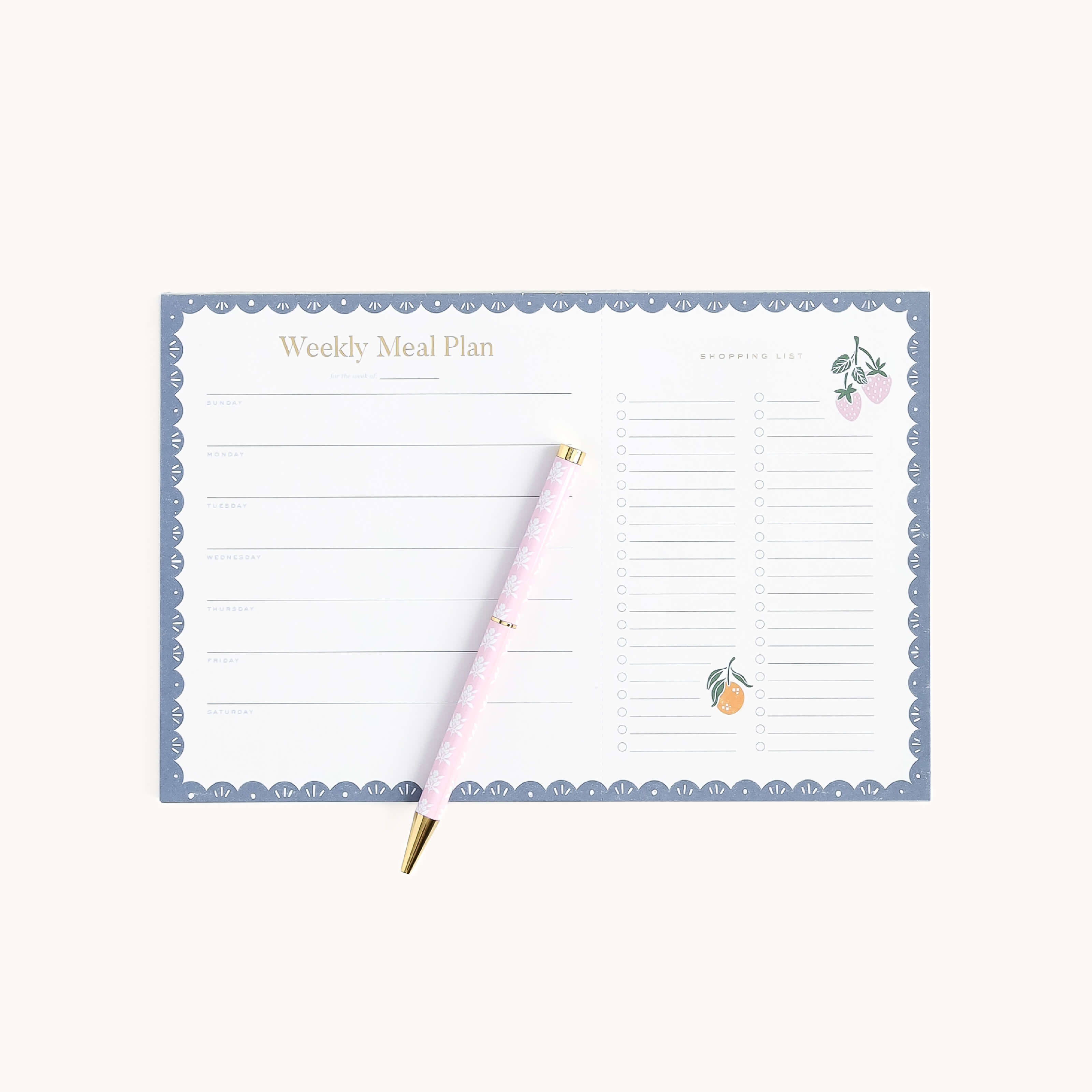
Make it as easy as possible to do the habit you want to build. Want to drink more water? Put a full water bottle on your nightstand every night. Want to exercise in the morning? Lay out your workout clothes the night before. Remove as much friction as possible between you and the habit. Track your habits simply—put a checkmark on your calendar, move a paperclip from one jar to another, make a tally mark in your planner. The goal isn't perfection. The goal is progress. You're going to miss days, and that's not failure. The difference between habits that stick and habits that don't isn't perfection—it's getting back to it after you miss. Don't wait until Monday. Just start again tomorrow. Focus on one habit at a time. Pick one, build it until it's automatic, then add the next one.
More Than a Planner
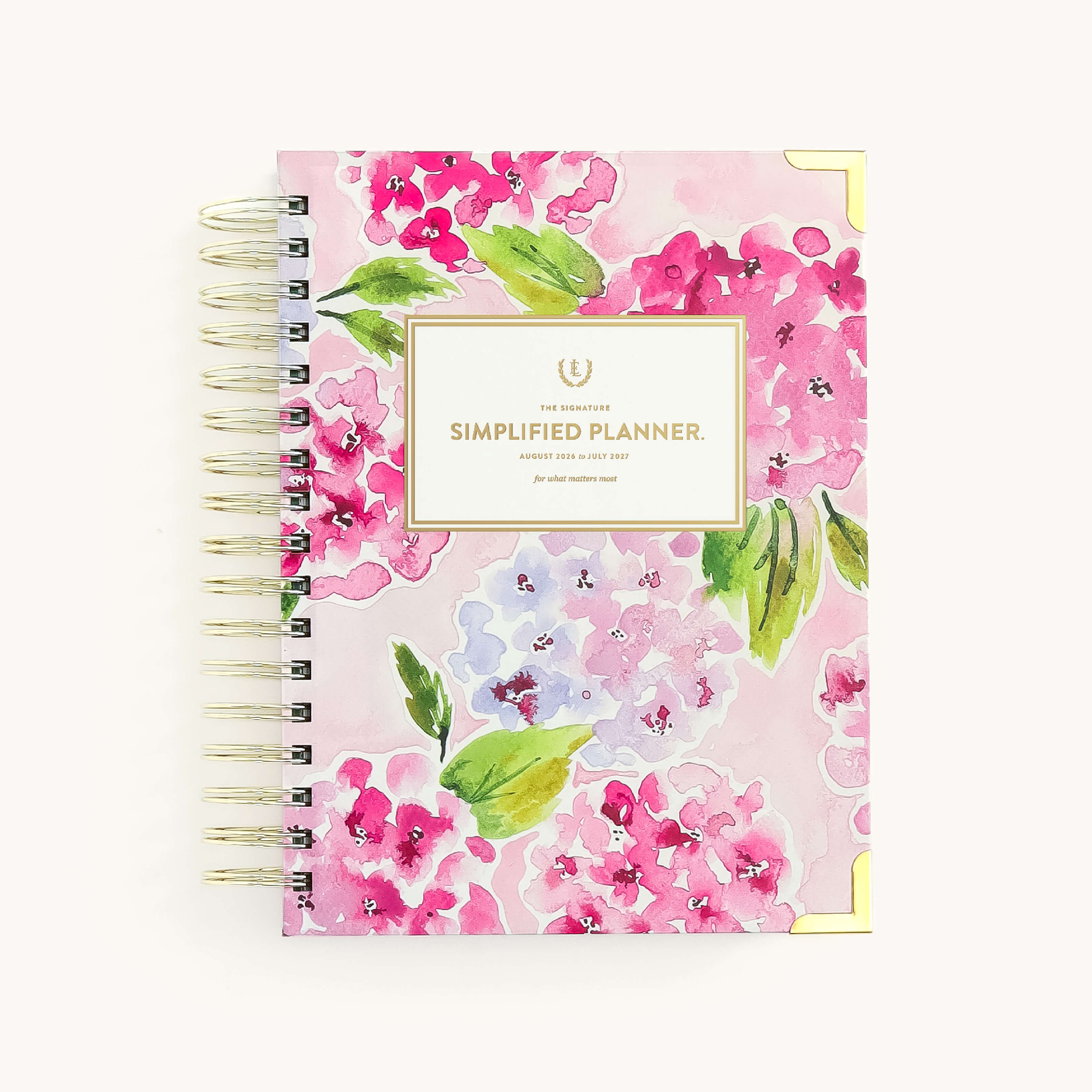
A simplified planner isn't just about organizing your days—it's about creating systems and habits that support the life you want to live in 2026. With over 3,700 five-star reviews and so many returning customers, we're grateful to create tools that help you build routines that actually work for real life and habits that stick long-term.