



Making Your Fridge Work for Your Family
In the months leading up to the holidays, my refrigerator slowly grows from normal fridge to jam-packed, can't-fit-another-block-of-cheese situation. We're cooking with ingredients we don't normally use and keeping more on hand for drop-in guests. All that meat, cheese, veggies, and condiments are great when we're entertaining, but we don't exactly need five types of jam in January.
Rather than getting fed up with the clutter and snapping one day, let's think about organizing our fridges—especially since they're one of the most high-traffic places in our homes. A well-organized fridge makes meal planning easier, reduces food waste, and helps you actually use what you buy.
Here's the truth: any photo you've ever seen of my perfectly organized fridge was staged, cleaned, arranged, and probably color-coded. Right now? It's a mess. And that's okay. The goal isn't Instagram-worthy perfection—it's creating a system that works for your real life with real people (including little hands) constantly opening that door.
Smart Storage Solutions That Actually Work
I tried the clear container route—buying all the beautiful bins to make everything look perfect. The reality? They frosted over so you couldn't see what was inside. Items didn't fit. It became stuff for your stuff with no flexibility.
What actually works: Keep it minimal. Use a few clear containers for specific high-use items. For example, we keep one for Chobani yogurts so they don't fall over. That's it. We have designated drawers—one for cheese, one for meat, one for fruits and veggies, and one for random overflow.
For leftovers, Rubbermaid Clear Brilliance containers are game-changing. They're plastic (lighter than glass), stack beautifully, and are microwave and dishwasher safe. But here's the secret: keep a Sharpie and masking tape in a drawer by the fridge. When putting away leftovers, tear off a small piece of tape, write what it is and the date, and stick it on the container. When you're rummaging later, you'll know exactly what you're looking at and when it's time to toss it.
Building a Planner Routine for Fridge Management
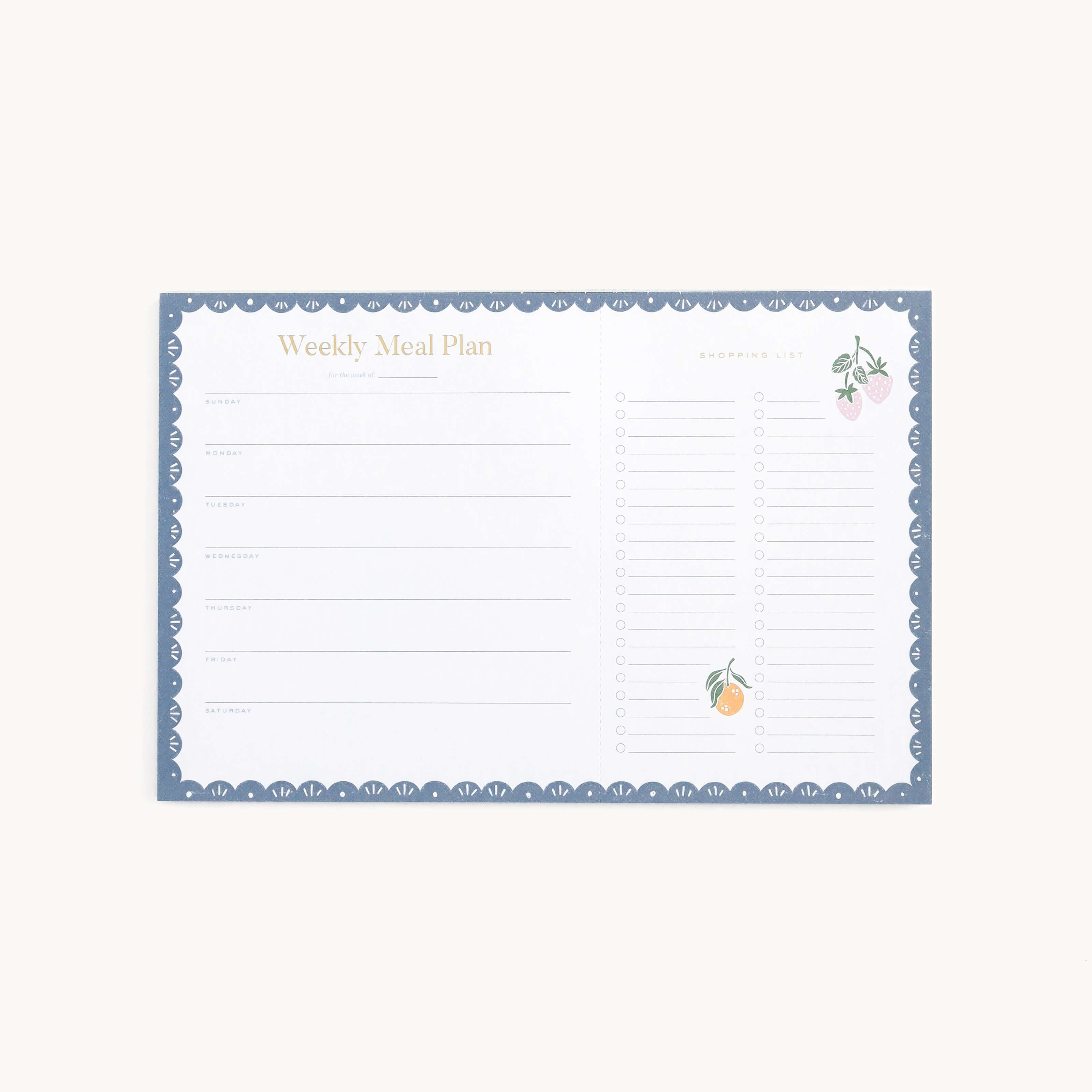
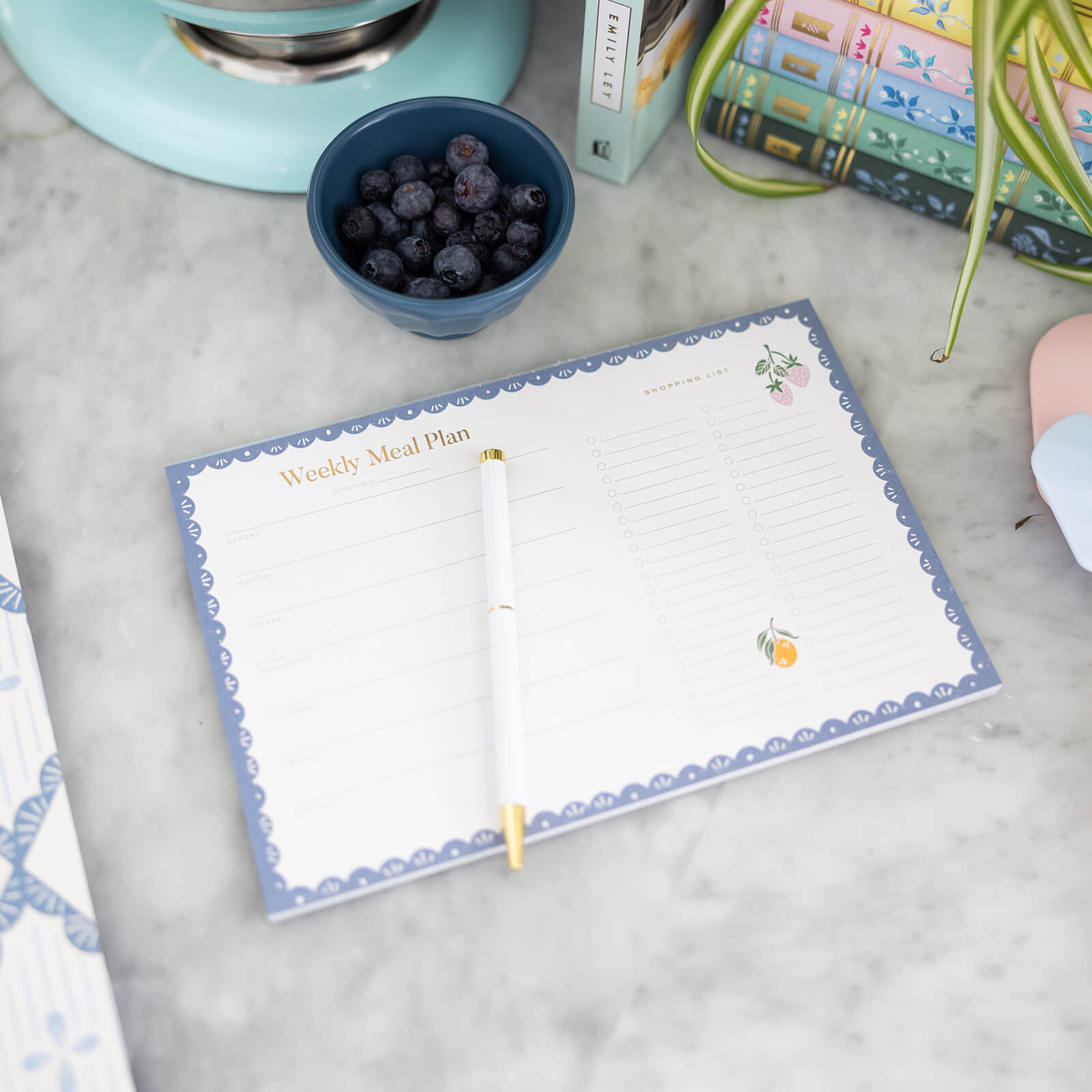
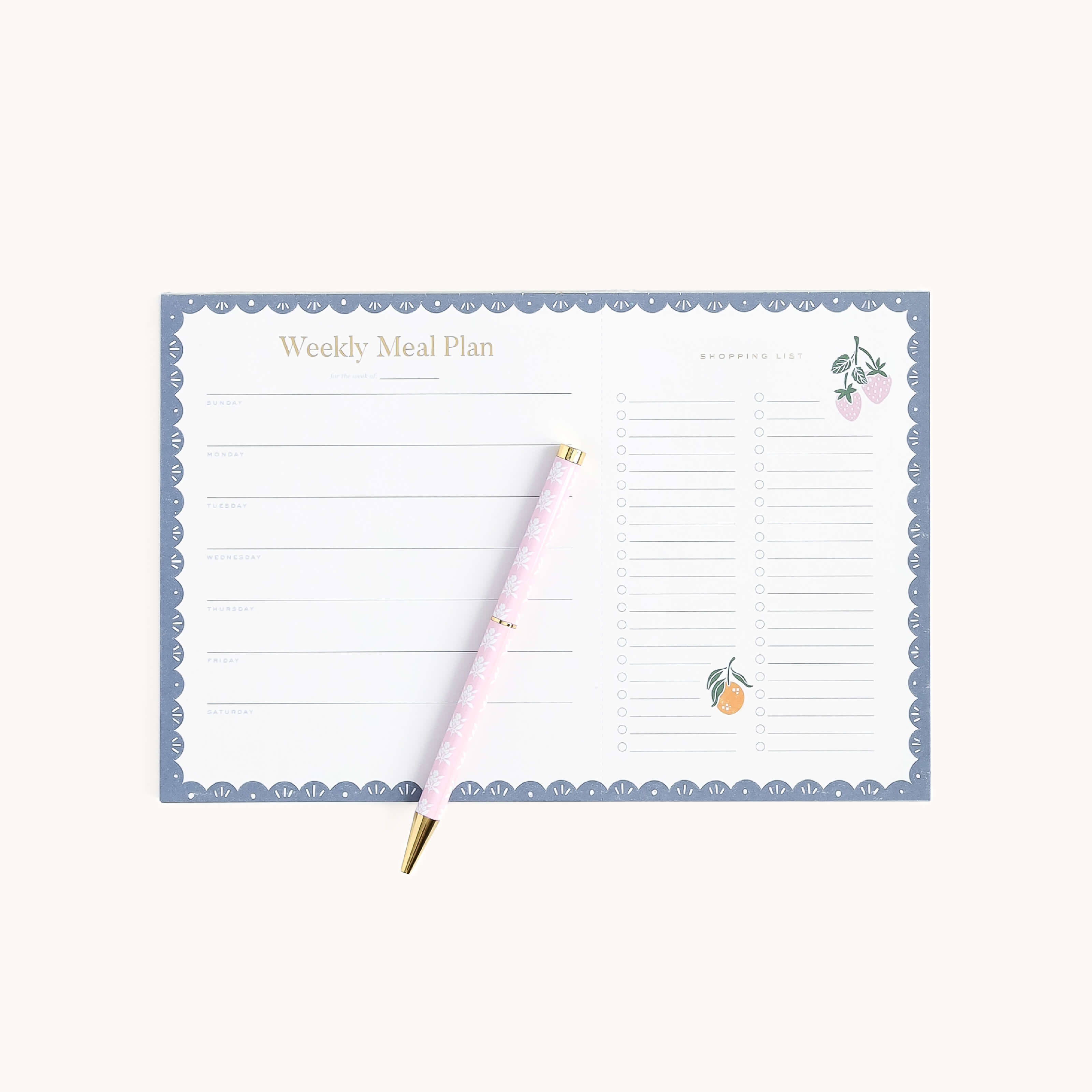
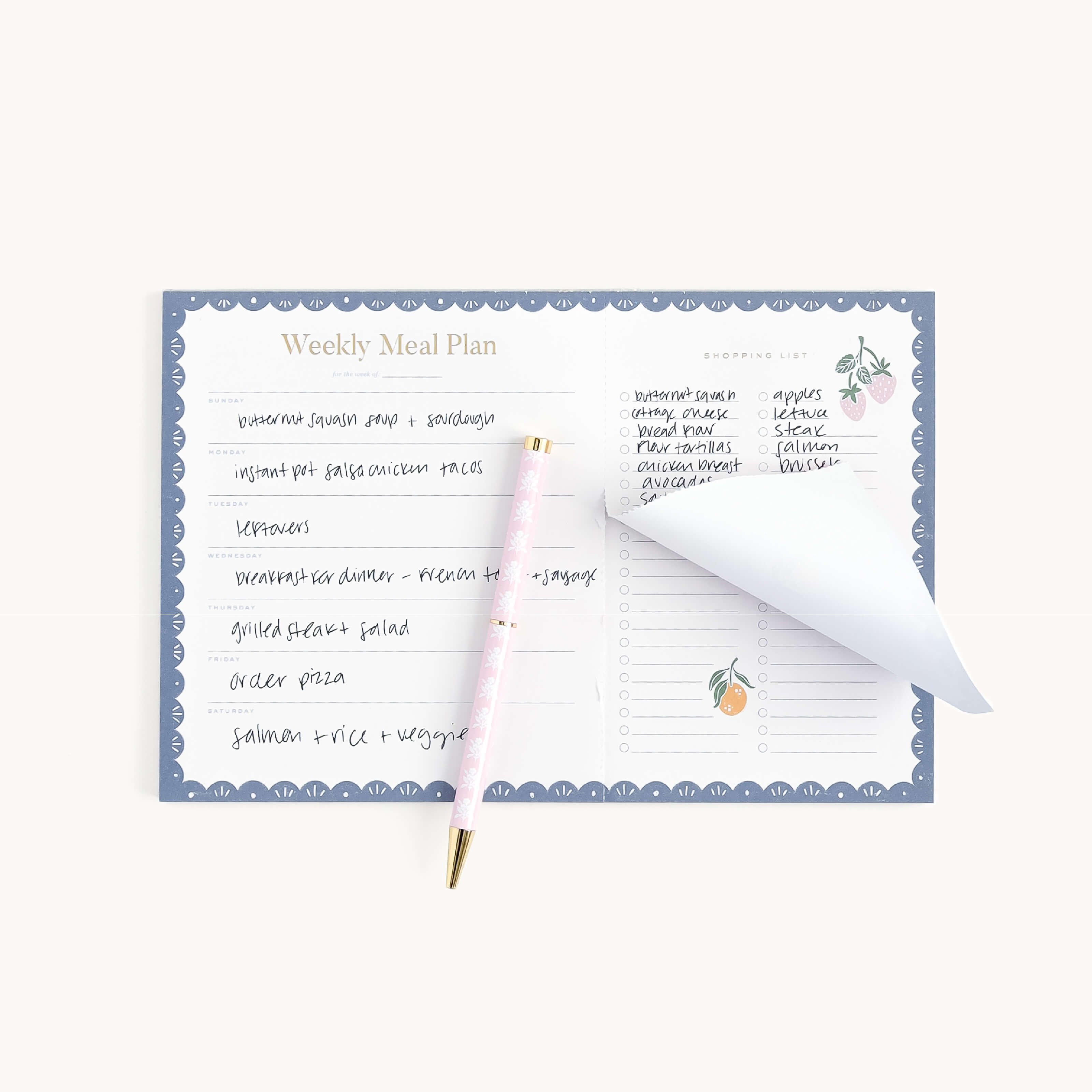
Staying organized as a busy mom means having systems for everything, including your fridge. During weekly planning, schedule a quick fridge inventory. Sunday nights work well for most families—you can see what needs to be used up and plan meals around it.
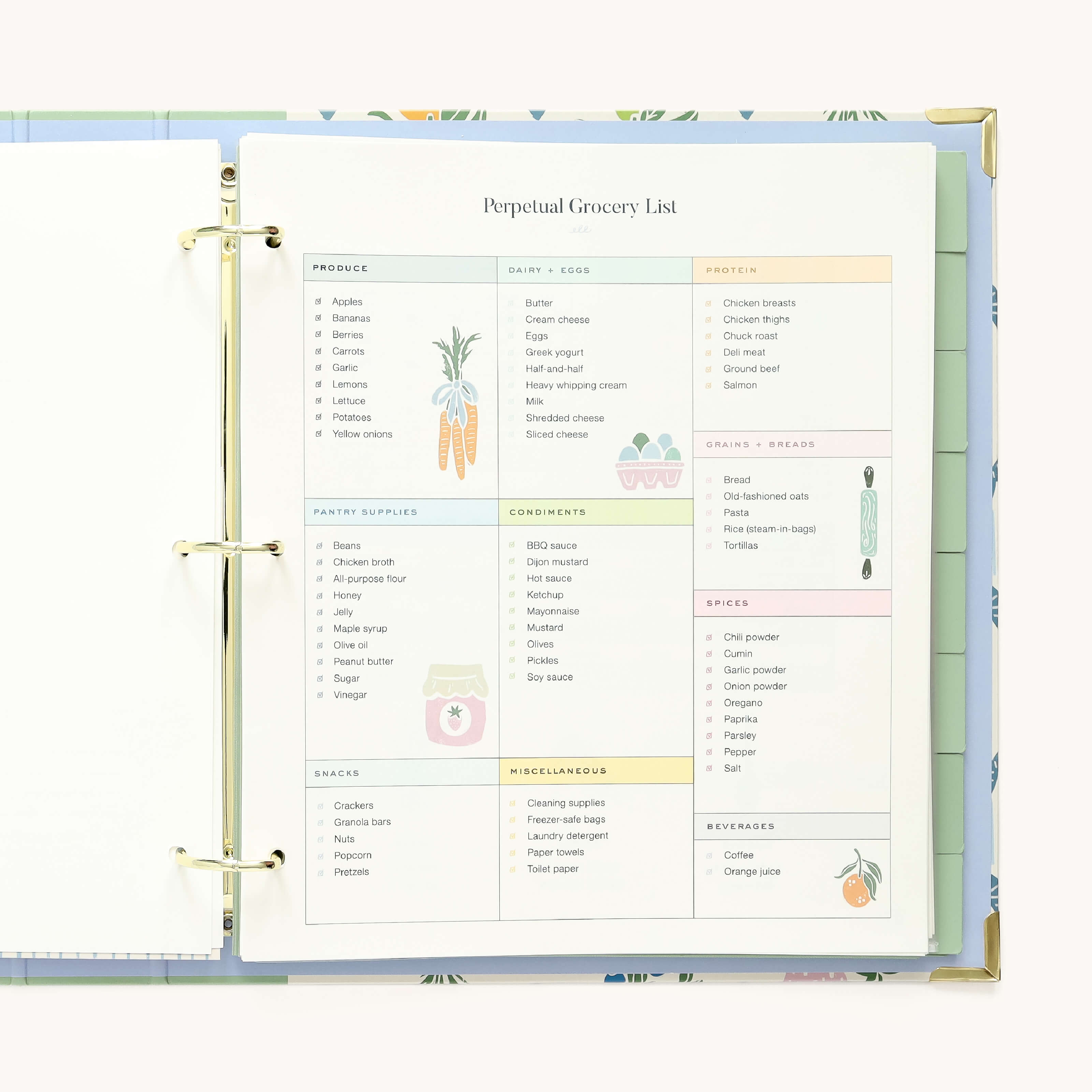
Keep a running grocery list in your planner or phone notes. When you run low on staples, add them immediately rather than trying to remember later. This simple habit prevents those frustrating moments when you're ready to cook and realize you're out of a key ingredient.
Stock your fridge with flexibility in mind. Always keep cheese (string cheese is perfect for quick snacks), yogurt, grapes, cold brew, and whatever your family reaches for most. In the freezer, maintain a backup plan: chuck roast for easy pot roast, chicken pot pies, quality lasagna, breakfast burritos, and Greek yogurt popsicles for guilt-free dessert.
The Weekly Reset That Changes Everything
Once a week, do a quick fridge sweep. Check expiration dates on condiments (yes, that chipotle paste from two years ago needs to go). Wipe down shelves. Take inventory of what needs to be eaten this week. Move older items to the front so they get used first.
This fifteen-minute task prevents those science experiments growing in the back of your fridge. It also helps with weekly planning—when you know what you have, you can plan meals that use those ingredients rather than buying duplicates or letting food go to waste.
For the freezer, keep a list of what's in there. Sounds overly organized, but it's incredibly helpful. How many times have you bought chicken because you forgot you already had three pounds in the freezer? A simple list on your phone or in your planner prevents overbuying and food waste.
Remember: organization isn't about perfection. It's about creating systems that reduce friction in your daily life. When your fridge works for you instead of against you, meal prep becomes easier, weekly planning flows better, and you waste less food and money. That's the kind of organization worth having.